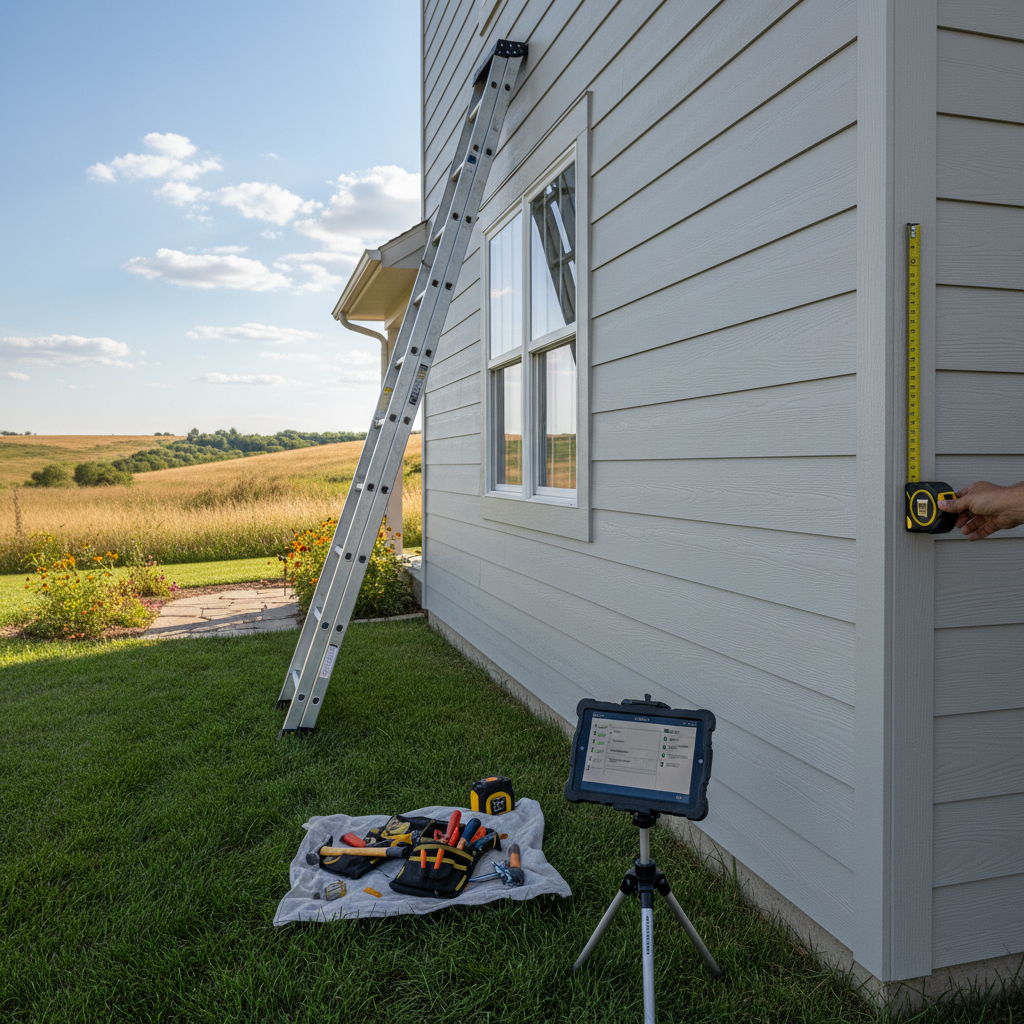
Alright, let's talk about your home's siding. It's not just there to look pretty, though a good-looking exterior certainly helps with curb appeal. Your siding is the first line of defense against everything Mother Nature throws at us here in Salina, from those scorching summer sun rays to the brutal winter winds and the hailstorms that seem to pop up out of nowhere. Ignoring it is a mistake I see folks make all the time, and it usually ends up costing them a lot more down the road.
Why Regular Siding Checks Matter So Much
Think of your siding like the skin on your body. It protects everything underneath. If it gets damaged, that damage can spread, letting moisture in, leading to rot, mold, and even structural issues. Here in Kansas, we get some pretty wild temperature swings. One day it's 100 degrees, the next it's a cold front. That constant expansion and contraction puts a lot of stress on your siding materials. Plus, those strong winds we get, especially out in the open plains surrounding town, can really batter your home.
A little bit of proactive maintenance goes a long, long way. It's not about spending a fortune; it's about being observant and taking care of small issues before they become big, expensive headaches.
What Does Regular Maintenance Look Like?
You don't need to be a siding expert to do a good job of keeping an eye on things. I tell my customers to do a quick walk-around at least twice a year – once in the spring after the winter thaw, and again in the fall before the really cold weather sets in. If you've had a particularly nasty storm, an extra check is a smart move too.
- Clean it Up: Dirt, grime, and mildew don't just look bad; they can actually hold moisture against your siding, leading to problems. A good, soft wash with a garden hose and a soft brush (or a low-pressure power washer, carefully!) can make a huge difference. Just be careful not to blast water up under the siding panels, especially around windows and doors.
- Trim the Greenery: Keep trees, bushes, and vines trimmed back from your house. They can scratch siding, trap moisture, and provide pathways for pests. You want at least a foot or two of clearance.
- Check Your Gutters: This is a big one. Clogged gutters mean water overflowing and running down your siding, which can cause staining, rot, and even foundation issues. Make sure they're clear and draining properly, directing water away from your home.
- Inspect Caulking and Sealants: Pay close attention to the areas around windows, doors, and where different materials meet. Caulk dries out, cracks, and pulls away over time. If you see gaps, scrape out the old stuff and apply fresh, high-quality exterior caulk. This is crucial for keeping water out.
- Look at Your Paint or Finish: If you have painted siding, check for peeling, chipping, or fading. Not only does it look bad, but it means the protective layer is compromised.
Warning Signs You Shouldn't Ignore
When you're doing your walk-around, keep an eye out for these specific issues. They're usually indicators that something's not right:
- Cracks, Holes, or Gaps: Any breach in the siding is an open invitation for water, insects, and rodents. Even small ones can expand.
- Loose or Missing Panels: If you see siding panels flapping in the wind or completely gone, that's an immediate repair job. Wind can get underneath and tear off more panels quickly.
- Warping, Buckling, or Swelling: This often points to moisture damage or improper installation. Vinyl siding can warp from extreme heat if it's not installed with enough room for expansion, and wood siding will swell when it absorbs water.
- Fungus, Mold, or Mildew Growth: Especially if it's not just surface dirt that washes off easily. This means there's consistent moisture present, which is a problem.
- Discoloration or Stains: Dark streaks or patches, particularly below windows or gutters, often indicate water runoff problems or leaks.
- Rotting Wood: If you have wood siding, probe any soft spots with a screwdriver. If the wood gives easily, it's rotting and needs to be replaced.
- Increased Energy Bills: Sometimes, failing siding can contribute to poor insulation, making your HVAC system work harder.
When to Call a Professional
Look, you can handle a lot of the basic stuff yourself, like cleaning and re-caulking. But there are times when you really need to bring in the pros. If you see any of those serious warning signs – widespread cracking, significant warping, rot, or large sections of missing siding – it's time to call someone like us at Salina Siding Company.
Don't try to patch up major structural damage yourself unless you really know what you're doing. You could end up causing more harm than good. We've got the tools, the experience, and the right materials to assess the damage properly, fix it correctly, and make sure your home is protected for the long haul. Getting it done right the first time saves you money and headaches down the road. Your home is a big investment; treat its exterior with the respect it deserves.
.